

Dispelling common myths about luck in gambling
The Nature of Luck in Gambling
Many people enter casinos believing that luck is the sole factor determining their success. This myth oversimplifies the complex nature of gambling. While luck certainly plays a role, it is not the only element at play. Understanding the dynamics of each game can greatly influence outcomes, and for those exploring options, non gamstop slots can be an interesting choice. Players who grasp the rules and strategies can make informed decisions that enhance their chances of winning.
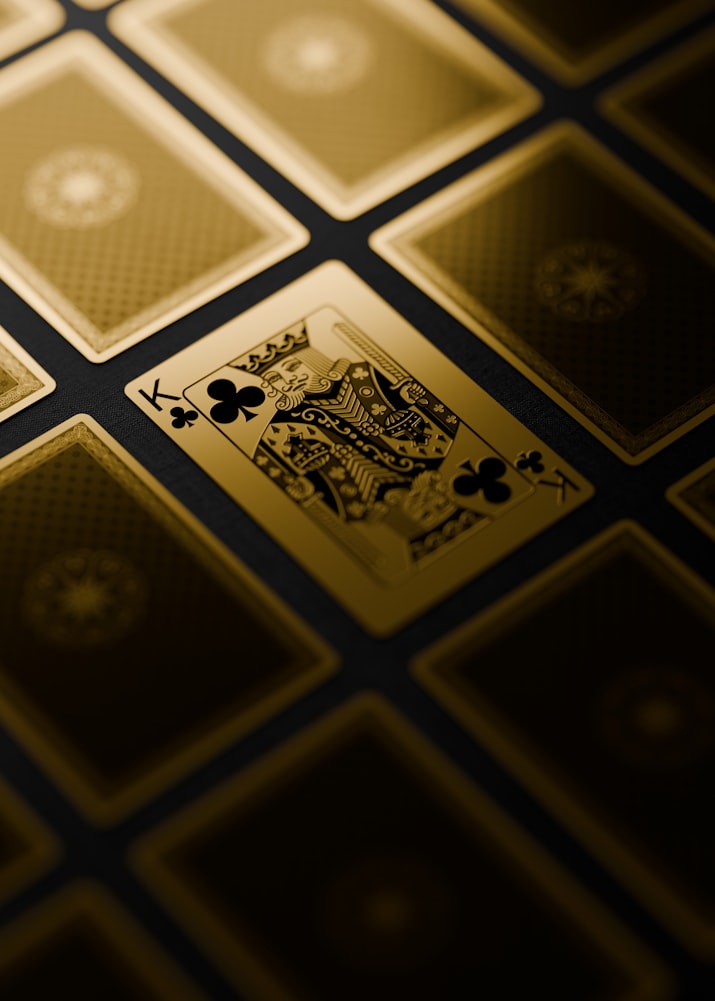
Furthermore, luck is often perceived as a random occurrence, but it can also be viewed as a probability game. In games like poker, skill and strategy can outweigh luck over time. Professional players analyze their opponents and adapt their play styles accordingly, demonstrating that consistent success relies on more than just fortunate circumstances.
Hot Streaks and Cold Streaks
The belief in hot and cold streaks is a common myth that many gamblers embrace. Players often assume that after a series of losses, a win is due, or vice versa. This notion stems from the misunderstanding of independent events in gambling. Each game round is separate and does not affect subsequent rounds, regardless of previous outcomes.
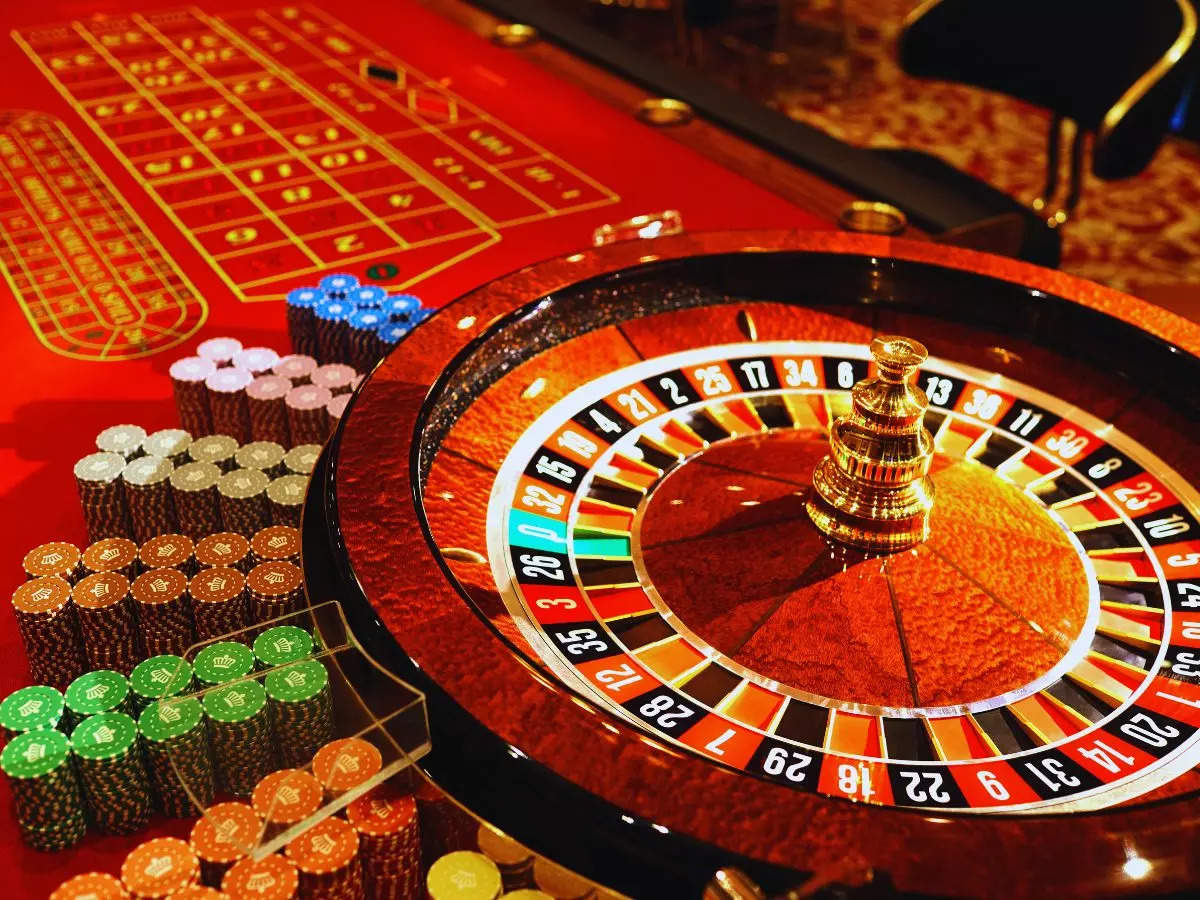
For instance, in a game of roulette, the outcome of one spin has no influence on the next. The fallacy of believing that trends exist can lead to irrational betting strategies. Players need to recognize that gambling is a game of chance, where statistical probabilities govern the outcomes rather than emotional interpretations of past results.
The Gambler’s Fallacy
The gambler’s fallacy is another common misconception that can lead players astray. This fallacy occurs when individuals believe that past events influence future outcomes, particularly in games of chance. For example, if a coin flips heads several times in a row, one might think tails is “due” to occur. This line of thinking is fundamentally flawed in the realm of gambling.
In reality, every coin flip or card draw is independent, and the odds remain constant regardless of previous results. Understanding this concept can help gamblers make more rational decisions rather than relying on superstitions and flawed logic that can lead to poor betting choices.
Superstitions and Rituals
Many gamblers resort to superstitions and personal rituals, believing they can influence luck. From lucky charms to specific seating arrangements, these practices are often seen as a way to gain an edge. However, the reality is that these rituals have no bearing on the actual outcome of the games being played.
While these superstitions can provide psychological comfort, they do not alter the odds of winning. Gamblers should focus on strategies and informed choices rather than rely on arbitrary beliefs that do not impact the mathematical probabilities at play in gambling environments.
Empowering Women in Gambling and Tech
As the conversation around gambling myths continues, platforms that support community and empowerment are essential. Just like women in tech are finding their voices, women in gambling can also break through stereotypes and take control of their gaming experiences. Understanding the myths surrounding luck can empower all players to approach gambling with a clearer mindset.
Engaging with like-minded individuals, sharing knowledge, and building networks can enhance the gambling experience. Online communities and events create opportunities for women to connect, learn, and support each other. By dispelling myths and embracing the truth about gambling, players can foster a more positive and informed gaming culture.